
Coin Variety Identifier For Doubled Dies, Mint Marks, And Die Clues
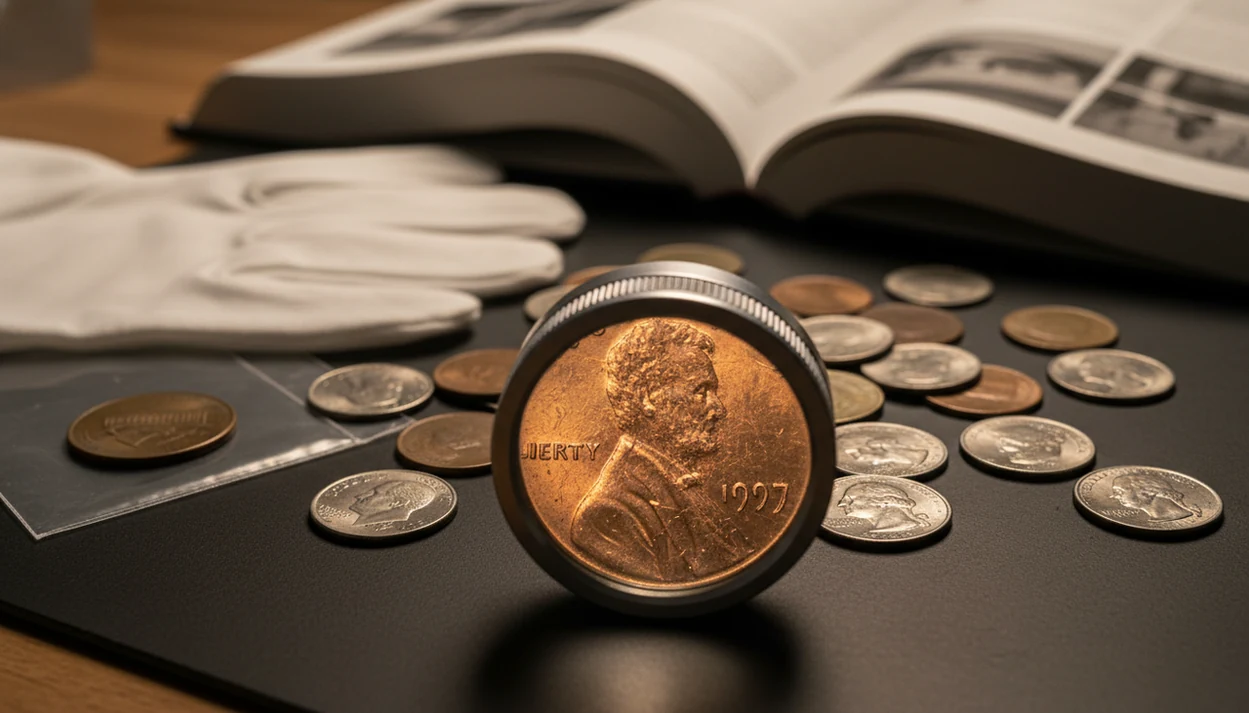


A coin variety identifier helps you check whether a coin matches a recognized die, design, date, or mint mark variety rather than a normal issue. Use it as a research workflow: identify the coin first, inspect the exact diagnostics, compare against authoritative variety references, and avoid calling wear or machine doubling a confirmed variety.
Definition: A coin variety is a coin design or die-produced feature that sets it apart from the normal issue while still being part of authorized coinage, not a one-off mint error.
TL;DR
- Varieties are usually repeatable die or design differences, not random minting accidents.
- Doubled dies, repunched mint marks, overdates, and design changes need diagnostic comparison, not just a quick photo match.
- A coin variety app can narrow possibilities, but recognized attribution depends on catalogs, service standards, condition, and clear images.
Coin Variety Identifier Definition For Beginners
A coin variety identifier is a tool or lookup method used to compare a coin against recognized design, die, date, and mint mark differences. In collector language, a variety is a coin that sets itself apart from the normal issue of that type, using the Red Book-style idea many collectors start with.
A general coin ID answers, “What coin is this?” A value lookup asks, “What might this sell for in this condition?” A variety lookup asks, “Does this exact date, mint mark, and design match a recognized variety?”
That distinction matters. Varieties are still part of authorized coinage, not automatically mint errors. A doubled die cent or repunched mint mark nickel can be worth a closer look, but the variety label alone does not prove rarity or value.
Start with the obverse. Then slow down.
Five Coin Variety Identifier Facts To Know First
- A coin variety is not the same as a mint error. A variety is usually repeatable; an error is often a one-off minting accident. If the line feels blurry, an error coin identifier can help separate the categories.
- Most collectible varieties are tied to dies or die pairs. NGC explains that many collectible varieties are attributed through die characteristics and lists recognized examples in VarietyPlus: https://www.ngccoin.com/variety-plus/
- Not every die difference is collectible or recognized. Some changes are too minor, too common, or outside a service’s attribution policy.
- Published standards matter more than casual image matching. A phone match may suggest a lead, but catalogs and grading-service lists define accepted diagnostics.
- False positives are common. Wear, machine doubling, strike doubling, and die deterioration can imitate true varieties, especially on pocket-worn cents and nickels.
Before You Start: Photos, Magnification, And Reference Setup
Set up the coin, camera, and reference before you start chasing a variety name. Better light and a clean comparison path will prevent most false starts.
- Place the coin under bright indirect light. Use a desk lamp bounced off white paper, a window with no direct sun, or another soft setup that reduces glare on reflective metal.
- Keep the coin protected when possible. Leave it in a holder, flip, or capsule if the plastic is clear enough; if you must remove it, handle only the edge.
- Photograph the whole coin first. Take one full obverse image and one full reverse image before zooming in on the date, mint mark, mottoes, or suspicious feature.
- Confirm the base coin before magnifying. Use 5x to 10x magnification only after the country, denomination, date, mint mark, and design type make sense.
- Open one trusted reference first. Compare app suggestions or image matches against a catalog or service page already on screen, instead of letting random search results set the label.
How A Coin Variety Identifier Works Behind The Scenes
A coin variety identifier works by identifying the base coin first, then comparing suspected features against known variety diagnostics. The first pass is ordinary coin identification: country, denomination, date, mint mark, and design type.
After that, the process gets narrower. The check moves to doubled lettering, doubled numbers, repunched mint marks, overdates, die cracks, die gouges, polishing lines, die scratches, and design subtype changes. These are die diagnostics, meaning visible clues left by the die that struck the coin.
Die-level comparison is central because many recognized varieties came from a specific die pair. Two coins can share the same date and mint mark, yet only one matches the cataloged die markers.
AI or app matching can narrow the pile. It cannot finish the attribution by itself. A phone camera hovering over a penny may catch the date, but tiny die clues need sharp close-ups, steady light, and comparison photos.
How To Use A Coin Variety Identifier Step By Step
For beginners, the safest workflow is to prove the normal coin first and the variety second. That order prevents a shiny oddity from becoming a claimed variety too early.
- Identify the base coin from photos. Confirm country, denomination, date, mint mark, and design type before looking for variety names.
- Photograph both sides clearly. Take full obverse and reverse images, then close-ups of the date, mint mark, mottoes, and suspicious area.
- Check the coin against a variety catalog. Match the denomination, date, mint mark, and design type before comparing diagnostics.
- Compare exact markers, not general resemblance. Similar-looking doubling is not enough if the cataloged spread, location, or die marker is missing.
- Separate variety research from value. Condition, demand, and certification history still affect any estimated value range.
- Save images and collection notes. Record what matched, what did not, and which reference you used.
CoinEd is best used as a coin variety app for organizing photos, narrowing possible matches, and keeping research notes beside each coin. It should support the attribution trail, not replace catalog diagnostics or professional review.
Doubled Die And Mint Mark Variety Lookup Clues
“Does my coin have a doubled die, a mint mark variety, or just damage?” Start by checking the most repeatable clues: letters, numbers, mottoes, and design elements that show the same spread on known examples.
Doubled dies often show strongest in date digits, LIBERTY, IN GOD WE TRUST, or central design details. Repunched mint marks may show a secondary punch beside, above, or below the main mark on older coins where mint marks were punched into working dies. A tool that can identify mint marks is useful only after the date and mint location make sense.
Overdates and design subtypes need even tighter comparison. So do cataloged die markers such as cracks, gouges, polishing lines, and die scratches.
Machine doubling often looks flat, shelf-like, and pushed to one side. It is not the same as a doubled die. NGC generally does not attribute die varieties that require more than 5x magnification to be clearly recognizable. Source this attribution threshold directly to NGC VarietyPlus so readers can verify the service-specific rule: https://www.ngccoin.com/variety-plus/
Coin Variety App Versus Die Variety Identifier References
A coin variety app can help identify the base coin and suggest possible matches, but references and services define what counts as recognized. That split is useful when a quarter flipped for the eagle side looks promising but the cataloged marker is on the obverse.
| Method | What it helps with | What it cannot prove |
|---|---|---|
| Coin variety app | Base ID, photo organization, possible variety leads | Final attribution or certified grade |
| Variety catalog | Accepted names, diagnostics, date and mint mark limits | Current market value by itself |
| Grading service | Service-specific attribution, certification context | Universal agreement across every reference |
| Expert review | In-hand judgment on ambiguous diagnostics | Guaranteed value or market demand |
NGC VarietyPlus recognition is a service-specific standard, and NGC recognizes all varieties listed in VarietyPlus within that system. Other catalogs may classify borderline varieties differently. Tools like CoinEd can keep the photo-first research trail tidy, but the claim still needs diagnostic support.
For cross-checking, compare a CoinEd lead against NGC VarietyPlus (https://www.ngccoin.com/variety-plus/), PCGS CoinFacts (https://www.pcgs.com/coinfacts), and specialist references such as CONECA (https://conecaonline.org/). If two references disagree, keep the label tentative until the exact diagnostics match one accepted standard.
Common Coin Variety Identifier Myths And False Positives
The biggest myth is that every doubled-looking coin is a doubled die. Many are machine doubling, strike doubling, die deterioration, or worn design edges catching light at the wrong angle.
Another myth says every odd coin must be a mint error or variety. A coin with scratches, corrosion, rim hits, or post-mint damage may be interesting to inspect, but it may not be collectible in the variety sense. The error coin vs damage check is often the missing step.
A third myth is that a variety match means the coin is rare. Some recognized varieties are common circulation finds. Others are scarce only in higher grades or with clear certification.
One more problem: an app result is not official attribution. It is a lead. Not all die differences are recognized by grading services, and value still depends on condition, demand, certification, and market history.
The pocket check is real. The label still has to wait.
Verification Checklist For A Recognized Coin Variety Claim
Before labeling, selling, or submitting a coin as a variety, verify the claim in layers. A rushed label can mislead a buyer, a child building a folder, or your own future notes.
- Base coin confirmation: Record the date, mint mark, denomination, country, and design type before naming any variety.
- Required diagnostic match: Match every required marker, not just one similar doubled letter or odd mint mark.
- Accepted reference check: Confirm that the variety appears in an accepted catalog, service list, or recognized specialist reference.
- Photo comparison: Compare magnified images to reference examples, including die markers away from the obvious feature.
- Value separation: Treat attribution and estimated value range as separate questions.
Professional attribution makes sense when the coin is valuable, the diagnostics are ambiguous, or the coin may be sold as a recognized variety. CoinEd can help organize photos, notes, and lookup steps in one record, without replacing certification.
For most beginners, a saved photo record is easier than memory because variety checks often depend on small markers away from the feature that first caught attention.
Coin Variety Identifier Limitations
A coin variety identifier is a research aid, not a grading certificate. It can point you toward a possible die variety, but several limits affect confidence.
- Blurry or low-light photos can hide doubled letters, mint mark remnants, and die scratches.
- Automated lookup tools can confuse wear, strike doubling, machine doubling, or die deterioration with true varieties.
- Not every die difference is officially recognized by catalogs or grading services.
- Service standards and collector references may disagree on borderline varieties.
- Some varieties require in-hand inspection, especially when luster, metal flow, or tiny die markers matter.
- A variety identification does not determine value by itself.
- Cleaning, damage, corrosion, and heavy wear can reduce confidence quickly.
- A coin variety app should not be treated as a grading certificate or final attribution.
Wiping dust from a cardboard 2x2 flip is fine. Cleaning the coin itself can damage the surface and make attribution harder.
Coin Variety Identifier FAQ
What is a coin variety?
A coin variety is a recognized difference from the normal issue of a coin type, usually tied to design, die, date, or mint mark features. It is part of authorized coinage.
Is a coin variety the same as a mint error?
No. A variety is usually repeatable across coins from the same die or design change, while a mint error is often an individual production accident.
What is a doubled die coin?
A doubled die coin was struck by a die that carried doubled design elements, such as letters, numbers, or mottoes. Machine doubling is different because it is usually flat, shelf-like, and not a true doubled die; the doubled die vs machine doubling distinction matters.
Are mint mark varieties valuable?
Mint mark varieties can be valuable, but value depends on recognition, condition, demand, scarcity, and certification context. The variety name alone is not enough.
Can a coin variety app confirm a variety?
A coin variety app can suggest possible matches and organize photos, but it does not replace authoritative attribution. CoinIdentifier should be treated as a research aid, not a certification service.
What photos do I need to identify a coin variety?
You need clear photos of the obverse, reverse, date, mint mark, and suspected diagnostic area. Close-ups should be sharp enough to compare exact markers.
Why would a coin variety attribution be rejected?
Attribution may be rejected because of wear, machine doubling, weak diagnostics, damage, or an unrecognized variety status. Heavy cleaning or corrosion can also hide required markers.
Should I submit my coin for variety attribution?
Consider professional attribution when the coin may have meaningful value, the diagnostics are strong, or you plan to sell it as a recognized variety. For ordinary or uncertain finds, research notes and better photos may be enough first.