
Coin Grading Basics From Good to Mint State
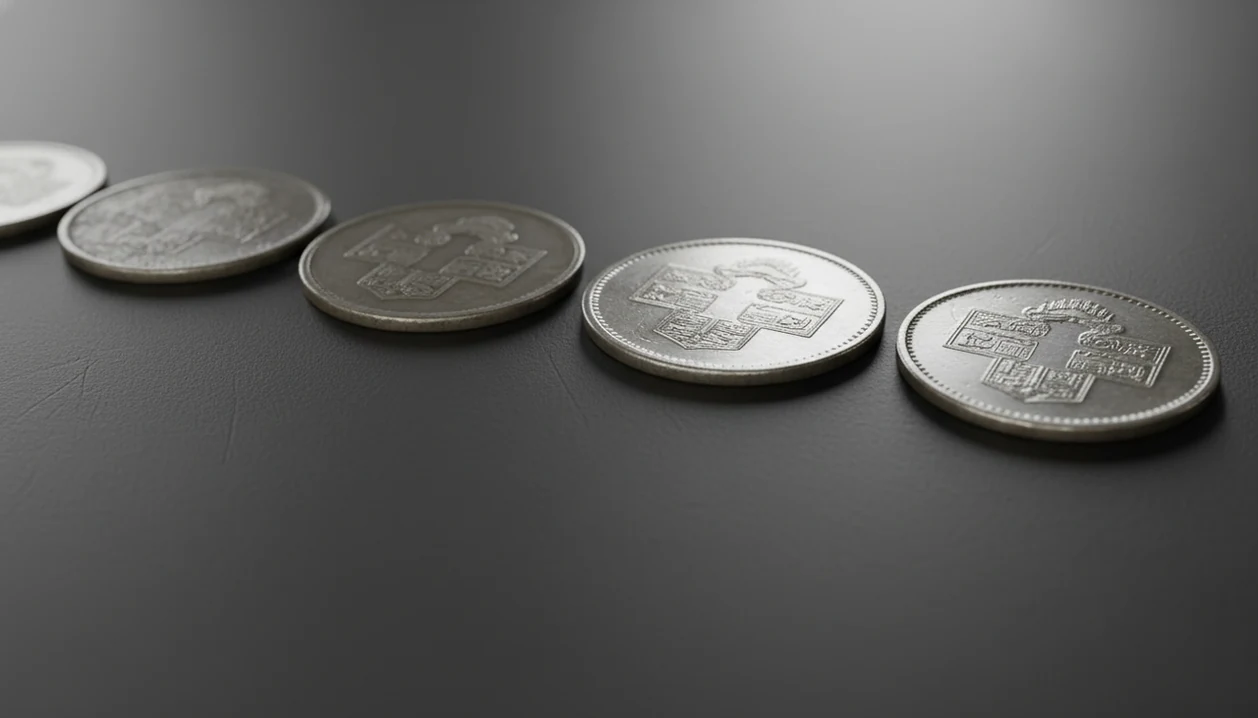


Coin grading basics are the rules collectors use to describe a coin’s condition, usually with the Sheldon 1–70 scale, so they can interpret value ranges more accurately. The grade depends mainly on wear, luster, strike, eye appeal, and damage, not just whether a coin looks old or shiny.
> Definition: Coin grading is the standardized description of a coin’s physical condition, from heavily worn circulated grades to uncirculated Mint State grades.
- The Sheldon scale runs from 1 to 70, with circulated coins below Mint State and MS-60 to MS-70 reserved for coins with no circulation wear.
- Wear, luster, strike, surface marks, cleaning, and eye appeal all affect a coin grade and can change the value range shown in a coin app or price guide.
- A shiny coin is not automatically high grade, and an MS coin grade is not automatically valuable if the coin is common or has poor eye appeal.
Coin Grading Basics Definition for Beginners
Coin grading is the condition language collectors use after a coin has already been identified. It describes wear and preservation, not rarity, metal content, or melt value by itself.
A grade helps you compare similar coins. A 1943-D cent and another 1943-D cent may share the same date and mint mark, but their value ranges can differ if one has flat wheat lines and the other still shows sharp detail. The Sheldon scale gives that condition a shared 1–70 vocabulary used in price guides, auction descriptions, and grading reports.
For beginners, the order matters: identify the coin first, then judge condition. Start with the obverse, check the reverse design, and look for wear on the highest raised areas. A photo-identification tool can help connect an image to likely coin type, grade clues, and value context, but the grade remains an informed estimate, not a formal appraisal.
At-a-Glance Coin Grades on the Sheldon Scale
The Sheldon scale groups coin grades from barely identifiable pieces to uncirculated Mint State coins. “Good” sounds positive, but in coin grading it means heavily worn.
For grading terminology, cross-check market-standard references such as PCGS Photograde source and NGC’s grading scale definitions source; this page uses those bands as beginner shorthand, not as a substitute for certification.
| Grade band | Common abbreviation | Sheldon range | What it usually looks like |
|---|---|---|---|
| Poor | PO | 1 | Barely identifiable, often very smooth |
| Fair | FR | 2 | Type visible, major details mostly gone |
| Good | G | 4–6 | Heavily worn, date and type usually readable |
| Very Good | VG | 8–10 | More outline detail, still strong wear |
| Fine | F | 12–15 | Moderate wear, major design clear |
| Very Fine | VF | 20–35 | Stronger details, wear on high points |
| Extremely Fine | XF or EF | 40–45 | Light wear, much detail remains |
| About Uncirculated | AU | 50–58 | Slight friction, near-full detail |
| Mint State | MS | 60–70 | No circulation wear |
AU coins show slight wear or friction. An MS coin grade means no circulation wear, not a mark-free surface. On a dark wooden table, copper cents can look redder than they are, so color should never carry the whole grade call.
Five Coin Grading Facts That Affect Value Ranges
These five coin grading facts explain why the same coin type can show a narrow or wide value range. They also explain why a photo-first estimate should be checked against a trusted reference.
- The Sheldon scale runs from 1 to 70, with 1 at the lowest identifiable end and 70 at the highest preservation level.
- The main split is circulated grades versus Mint State grades; circulated coins show wear, while MS coins show no circulation wear.
- Wear, luster, strike, and surface quality drive most grading decisions, especially once the date and mint mark are known.
- PCGS and NGC-style professional grading standards influence market pricing because auction records and price guides often reference certified grades.
- Cleaning, corrosion, rim damage, or environmental problems can produce a details grade, which usually lowers the market value range.
The U.S. Mint produced about 13.1 billion circulating coins in 2023, according to its annual production report source. That volume is one reason most modern finds are common circulation coins, not premium high-MS examples.
How Coin Grading Works Behind the Sheldon Scale
Coin grading works by moving from identification to condition judgment. A grader identifies the coin, learns the design high points, checks wear, judges luster, reviews marks, evaluates strike, and then weighs eye appeal.
It is not one universal visual test. A Standing Liberty quarter, a Roosevelt dime, and a Morgan dollar wear in different places. A beginner turning over a wheat cent under a kitchen light may find the tiny mint mark under the date first, but the grade comes from the cheek, wheat lines, rim, and remaining surface.
Technical grading focuses mainly on wear. Market grading also considers luster, strike strength, contact marks, toning, and overall eye appeal. That is why two coins with similar wear can sell differently. Photo-based tools can estimate a likely grade band, but in-hand inspection is stronger for borderline AU versus MS coins. For photo-tool limits, see how accurate coin-identification apps are, because results depend heavily on the photo, lighting, and coin type.
How to Use Coin Grading Basics
Use coin grading basics as a sequence, not a guess from shine or age. The goal is to narrow the coin into a sensible condition band before you attach a single Sheldon number or look up a price.
- Identify the coin first. Confirm the date, mint mark, country, denomination, and design type so you are comparing it with the right examples.
- Inspect the high points. Look at the raised areas that wear first, such as cheeks, hair, shields, rims, or reverse lines, and note any obvious friction from circulation.
- Compare the surfaces. Check remaining luster, strike sharpness, contact marks, toning, and overall eye appeal against clear reference photos for the same type.
- Choose a broad grade band. Decide whether the coin is likely G–VG, F–VF, XF–AU, or Mint State before trying to land on one exact Sheldon number.
- Check value last. Look at guides and sold comparisons only after you have considered grade, rarity, damage, cleaning, and whether the coin might need a details assessment.
Circulated Coin Grades From Good to About Uncirculated
Circulated grades describe coins that have been handled in commerce or show wear from storage. The useful beginner move is to group the coin into a band before trying to name a single number.
Good to Very Good coin grades
Good and Very Good: These coins are heavily worn but identifiable. Dates are often readable, portraits may be flat, and reverse design detail is reduced. Good does not mean desirable condition; it means the coin survived with basic identity intact.
Fine to About Uncirculated coin grades
Fine and Very Fine: These coins show moderate wear, but major details remain stronger. Hair, wreath, shield, or lettering detail is easier to follow.
Extremely Fine: XF coins show light wear on the highest points. Much of the design still looks crisp.
About Uncirculated: AU coins look nearly unworn but show slight friction on high areas. A photo result might map a coin to G–VG, VF–XF, or AU when the lighting hides fine luster breaks. A small scale beside capsule cases helps with weight, but not with wear.
MS Coin Grade Differences From MS-60 to MS-70
Mint State means a coin has no circulation wear, not that it is flawless. The MS-60 to MS-70 range separates uncirculated coins by marks, luster, strike, and eye appeal.
| MS grade | Plain meaning | Typical condition notes |
|---|---|---|
| MS-60 | Uncirculated but low-end | Heavy marks, dull luster, weak eye appeal |
| MS-63 | Average uncirculated | Noticeable marks, acceptable luster |
| MS-65 | Gem-quality uncirculated | Strong luster, fewer distractions, pleasing look |
| MS-67 | High-end gem | Very few marks, strong visual quality |
| MS-70 | Flawless under accepted standards | No visible post-production flaws under grading criteria |
A few MS points can create large price gaps in certain series. That is especially true for modern coins where many examples exist, but fewer survive with clean fields and strong luster. Price comparison tabs open on a laptop can make MS-64 and MS-66 look like different markets. Sometimes they are.
For common coins, a lower Mint State coin may still be easy to replace.
Common Coin Grading Myths About Shine, Cleaning, and MS-70
Beginner over-grading often starts with shine. Brightness can help when it is original luster, but harsh cleaning can make a coin brighter while lowering its grade and value.
- Myth: A shiny coin is always high grade. Cleaning, polishing, or chemical dipping can create brightness without original mint luster.
- Myth: A coin that looks new must be MS-70. MS-70 is flawless under accepted grading standards and is very uncommon.
- Myth: Good means a desirable high-quality grade. Good is a low circulated grade with heavy wear.
- Myth: Professional grading is only a random opinion. Standardized grading reduces inconsistency, but it does not remove judgment.
Do not clean the coin to “help” the grade. Wipe dust from a cardboard 2x2 flip if needed, but leave the coin surface alone. The full cleaning risk is covered in should you clean coins before scanning.
Coin Grades Versus Rarity, Value, and App Estimates
Does a higher coin grade always mean a higher value? No. Grade is one input, alongside date, mint mark, rarity, demand, variety, metal content, and recent market comparables.
An app may show a wide estimated value range when a coin could fall across several grade bands. A blurred nickel on a kitchen counter might be identifiable as a type, but the surface marks and luster breaks may not be clear enough for a tight grade. A high grade also does not guarantee high value if the coin is a common circulation find.
A photo-based coin app should return likely identification, condition context, and next-step research clues; it should not present a screenshot value as a certified appraisal. Use the result as a starting point, then compare recent sold listings, PCGS/NGC data, and a current price guide before treating a grade band as market value. The Federal Reserve found that 18% of U.S. adults held “collectibles, jewelry, or other valuables” in 2022 source.
For many beginners, a grade band is often more useful than a single number because it matches how value ranges are built.
Limitations
Coin grading has real limits, especially from photos. Use beginner grading as a screening step, not a final verdict for expensive decisions.
- Coin grading is partly subjective, so experienced graders can disagree by a point or two.
- High Mint State grades are hard to separate without magnification, lighting control, and repeated comparison.
- AI or photo-based grading depends on focus, angle, glare, and whether both sides are shown clearly.
- Cleaning, corrosion, rim damage, holes, and environmental damage may require a details assessment.
- Weak strikes and unusual mint errors can look like wear to beginners.
- A high numeric grade does not guarantee a high market price if the coin is common or demand is low.
- Borderline coins may need professional in-hand grading before sale, insurance, or a major purchase.
The pocket check is real. So is uncertainty. If a buyer asks about composition and mintage, grade alone will not answer the whole question. Our guide on when to send coin to PCGS or NGC covers that decision more directly.
FAQ
What is coin grading?
Coin grading is the standardized condition language collectors use to compare coins. It describes wear, luster, marks, strike, and eye appeal.
What is the Sheldon scale?
The Sheldon scale is a 1–70 coin grading scale. Lower numbers describe heavily worn coins, while MS-60 to MS-70 describes Mint State coins.
What does MS mean?
MS means Mint State. An MS coin has no circulation wear, though it may still have marks or weak eye appeal.
Is Good a good grade?
Good is a low circulated grade in coin grading. It usually means the coin is heavily worn but still identifiable.
Is a shiny coin valuable?
A shiny coin is not automatically valuable. Shine may come from original luster, cleaning, polishing, or lighting.
Can cleaned coins be graded?
Cleaned coins can be graded, but they may receive a details grade. Cleaning often lowers market value compared with an undamaged coin.
How do I grade coins myself?
Identify the coin first, then check high-point wear, luster, surface marks, and damage. Compare the result with photos from trusted grading references.
What grade is pocket change?
Most pocket change falls into circulated grades. Recently released coins can be higher grade if they show no wear and have few marks.
Should I get coins professionally graded?
Professional grading is worth considering for rare, high-value, counterfeit-risk, or borderline coins. For common low-value coins, the fee may exceed the benefit.