
Benefits Of Error Coin Checking Before Selling Or Saving Coins
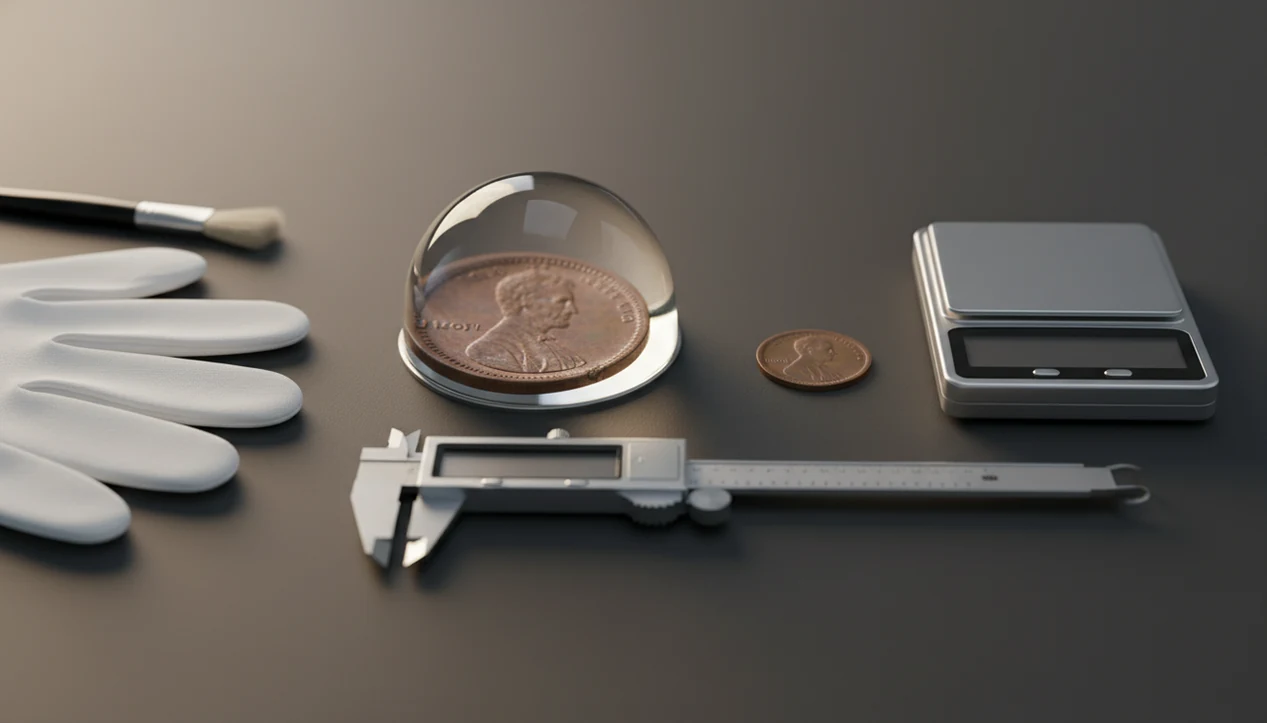
The benefits of error coin checking are fewer false claims, better coin error value clues, and more confidence before you sell, save, or grade a coin. A structured check helps separate real minting mistakes from wear, damage, alterations, and wishful thinking.
Definition: Error coin checking is a repeatable review process that looks for mint-made planchet, die, and strike mistakes while filtering out post-mint damage and normal circulation wear.
TL;DR
- True error coins come from the minting process, not from later scratches, bending, cleaning, corrosion, or tool marks.
- A repeatable workflow helps sellers describe coins accurately and helps collectors avoid overpaying for damaged coins labeled as errors.
- Photos, magnification, references, AI coin identification, and expert review work best together; no single method is perfect.
What Error Coin Checking Means For Collectors And Sellers
Error coin checking means examining a coin for mint-made mistakes, not simply reacting to an odd shape, strange color, or unusual mark. The goal is to decide whether the feature could have happened during planchet preparation, die use, or striking.
A good check starts with the base coin. Country, denomination, date and mint mark come first. Then you compare the obverse, reverse design, rim, edge, weight, and diameter against normal examples. A beginner turning over a wheat cent under a kitchen light to find the tiny mint mark under the date is doing the right first step.
For sellers, this process improves wording and buyer trust. For collectors, it prevents paying error prices for scratches or vise marks. Tools like CoinEd can support a photo-first check, but an app result is not a final authority or a formal appraisal.
Five Benefits Of Error Coin Checking Before You List A Coin
- It reduces false error claims. Many coins that look unusual were scratched, bent, polished, burned, or corroded after leaving the mint.
- It helps spot real candidates. Off-center strikes, doubled dies, clipped planchets, wrong planchets, and broadstrikes are worth a closer look when the evidence fits.
- It gathers value clues. Date, mint mark, series, grade, error type, visibility, rarity, and demand all shape the estimated value range.
- It protects seller reputation. Clear notes and comparison photos can reduce buyer disputes, returns, chargebacks, and negative feedback.
- It shows when expert review makes sense. A dramatic or high-value claim may need authentication before it belongs in a premium listing.
For most sellers, a documented error check is safer than a guess because it creates a record of what was observed and what was not confirmed. Price comparison tabs open on a laptop help, but only after the coin is described accurately.
Before You Start Checking Coin Errors
Before you start checking coin errors, set up a simple, non-destructive workspace and capture the basic facts first. The goal is to preserve evidence, not make the coin look better.
- Gather your tools before handling the coin: a digital scale, calipers, a loupe or magnifier, a small magnet, and a plain neutral surface for photos.
- Handle the coin gently and skip cleaning, polishing, bending, scraping, acid tests, or any other destructive test. A shiny cleaned coin may be less useful to a buyer than an untouched one with honest surfaces.
- Record the basics in one place, including date, mint mark, weight, diameter, and edge type, such as plain, reeded, lettered, or unusual.
- Compare normal examples from the same date, mint, and type before calling a mark an error. Many odd rims, flat spots, and color changes come from wear or damage.
- Set aside strong candidates if the possible premium is meaningful. Get expert review before listing a coin as rare, especially when the claim depends on composition, a major strike error, or a scarce variety.
How Error Coin Checking Works During Mint Error Research
Error coin research works by sorting possible mistakes into three technical categories: planchet errors, die errors, and strike errors. Planchet errors involve the blank before striking. Die errors come from the engraved tool that impresses the design. Strike errors happen when the press fails to bring the planchet, collar, and dies together correctly.
Collectors test those possibilities with comparison, lighting, magnification, weight, diameter, and edge checks. A wrong-planchet candidate should not just “look off.” It should make sense by size, metal, design pressure, and edge construction.
Scale matters. The U.S. Mint’s circulating-coin production reports show monthly and annual output by denomination, often totaling billions of coins in a year (https://www.usmint.gov/about/production-sales-figures/circulating-coins-production). That volume is why small failure rates still matter.
A tiny D beside Roosevelt’s torch can change the research path quickly.
How To Use A Check Coin Errors Workflow
Use a check coin errors workflow as a calm sequence, not a treasure hunt. The coin may still be common, but the notes will be cleaner.
- Photograph both sides and the edge in clear, even light on a neutral surface.
- Identify the coin first by country, denomination, date, mint mark, series, metal, and reverse design.
- Inspect with magnification for planchet, die, and strike clues, including clips, doubling, cracks, alignment, and missing design.
- Compare against normal examples before assuming an error, especially for worn coins and plated pieces.
- Log your findings with weight, diameter, photos, and collection notes.
- Decide the next step: save it, sell it plainly, research further, or seek expert review.
Phone photos on a dark wooden table can make copper cents look redder than they are. Move the coin before trusting the color.
A good ai coin identification, rarity lookup, and collection value estimation app for collectors and beginners should deliver faster screening and organized research, not guaranteed appraisals or investment outcomes.
Coin Error Value Clues That Matter Most
Coin error value clues are the observable traits that help decide whether an error has a meaningful premium. An error label alone does not make a coin valuable.
- Error type: Wrong planchets, major off-center strikes, and strong doubled dies usually draw more attention than tiny rim irregularities.
- Visibility and severity: Dramatic errors are easier for buyers to understand and often easier to document in photos.
- Date and mint mark: A scarce date or mint mark can strengthen interest, while a common circulation find may stay modest.
- Grade and surface quality: Wear, cleaning, corrosion, and scratches can lower demand even when the error is real.
- Market depth: Some specialized errors have thin buyer pools, so past sales may be scattered.
To sanity-check value, compare the coin against sold auction archives and recognized references, not active asking prices; start with Heritage Auctions sold results (https://coins.ha.com/) and PCGS CoinFacts (https://www.pcgs.com/coinfacts).
The full doubled die vs machine doubling question matters here because one has collector demand and the other is often minor strike doubling.
Common Myths About Check Coin Errors Claims
Myth 1: Any weird coin is a rare mint error. Most odd coins are damaged after minting. Scrapes, dents, acid exposure, parking-lot wear, and tool marks are not mint errors.
Myth 2: A certified error slab removes the need for review. Certification helps, but buyers should still check the attribution, surfaces, holder label, and comparable sales.
Myth 3: Every error coin is worth a lot. Many minor errors carry small premiums, especially when the coin is worn or the type is common.
Myth 4: Beginners cannot learn reliable screening. Beginners can learn the basics by separating mint errors, varieties, circulation wear, and post-mint damage.
The error coin vs damage distinction is the first filter. Wiping dust from a cardboard 2x2 flip is fine, but do not clean the coin itself.
Photo-First Error Coin Research With CoinEd
CoinEd is an AI-powered coin identification app that helps users identify coins from photos, organize collections, and research potential value.
AI photo tools can help identify the base coin, group images, surface rarity hints, suggest grade ranges, and provide value context. That is useful when mixed nickels, dimes, and foreign coins clink out of an inherited coffee can onto a towel and you need order before deeper research.
Still, app results should be checked against trusted references, normal examples, and expert opinions for high-value claims. Photo screening can support early triage, but it should not be treated as authentication, certified grading, or a guaranteed selling price.
For readers comparing software options, an app that identifies coin errors is most useful when it keeps photos, notes, and uncertainty together.
Seller Trust Benefits From Documented Error Coin Checking
Does documented error coin checking help sellers avoid disputes? Yes, because it gives buyers a clear record of photos, measurements, references, and comparison examples before money changes hands.
Use cautious wording when attribution is not confirmed. “Possible error,” “needs attribution,” and “appears consistent with” are safer than declaring a rare mint mistake without support. Add full obverse and reverse photos, close-ups, weight, diameter, edge images, and any reference used.
For higher asking prices, grading or authentication may be worth considering before making a premium claim. This is especially true for wrong planchets, major doubled dies, scarce dates, and coins where the buyer asks about composition and mintage.
If the listing depends on a premium attribution, name the authentication path in plain language, such as PCGS, NGC, ANACS, or a specialist error-coin dealer review.
Accurate wording often matters more than dramatic wording because it keeps expectations close to the evidence.
Limitations
Structured checking reduces risk, but it cannot guarantee 100% accuracy. Error coin research still has gray areas, especially when a coin is worn, altered, or photographed poorly.
- Subtle varieties, deceptive counterfeits, and altered coins may require expert review.
- Glare, dirt, shadows, and unusual lighting can mislead both humans and AI tools.
- Some real errors have small premiums or thin resale markets.
- Reference books, paid databases, grading fees, and shipping can outweigh value on low-value coins.
- Even grading services can miss or misattribute certain details, so due diligence still matters.
- A photo-first check cannot confirm metal composition, weight tolerance, or authenticity without supporting measurements.
- Market prices can change quickly when only a few comparable sales exist.
The pocket check is real. So is disappointment.
For silver questions, especially the common “Is this silver or just old?” reaction to a 1964 dime or quarter, a silver coin identifier can help narrow the date and metal context before error research begins.
FAQ
What is error coin checking?
Error coin checking is a structured review of a coin for mint-made planchet, die, or strike mistakes. It is different from guessing based on odd appearance.
How do I check coin errors at home?
Photograph both sides and the edge, identify the coin, inspect it with magnification, and compare it with normal examples. Record the date, mint mark, weight, diameter, and any possible error clues.
Are damaged coins the same as error coins?
No. Damage that happens after minting, such as scratches, bending, cleaning, corrosion, or tool marks, is usually not a mint error and often adds little premium.
Do error coins always have value?
No. Value depends on error type, rarity, visibility, condition, demand, and whether the attribution can be trusted.
What are the most common coin errors to look for?
Common error candidates include off-center strikes, doubled dies, clipped planchets, die cracks, broadstrikes, and wrong planchets. Each should be compared with normal examples before being labeled.
Can AI identify error coins from photos?
AI can help flag candidates, identify the base coin, organize images, and provide research context. High-value or disputed claims still need reference checks and sometimes expert authentication.
When should I grade an error coin before selling it?
Consider grading when the coin appears rare, valuable, heavily disputed, or likely to sell for a premium. Authentication can also help when buyers need confidence before purchase.